
When AI Becomes Tech Support
November 17, 2026
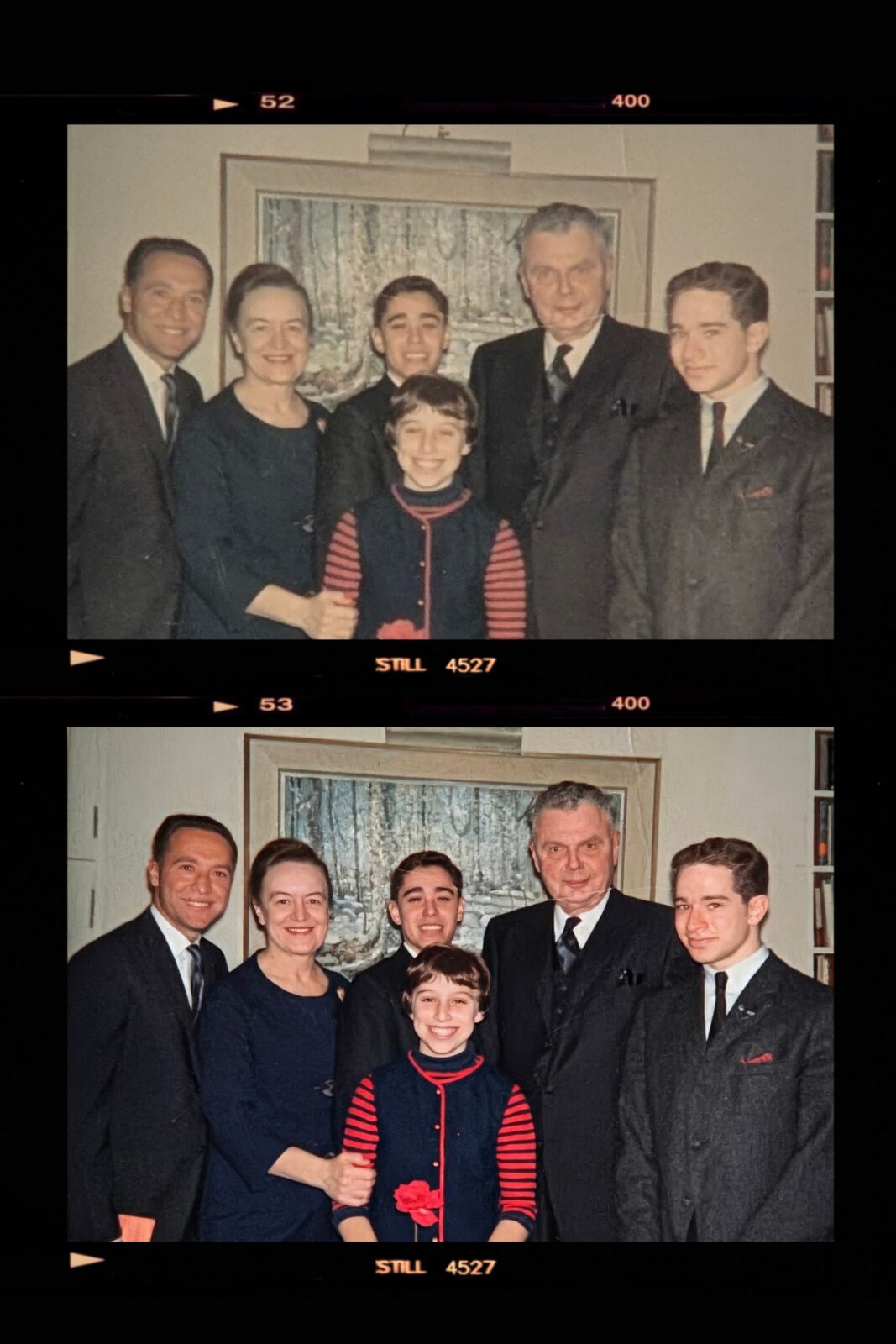
On our road trip through eastern Canada this past fall, I found myself assuming a role I thought would only happen when hell froze over. Or after I’d had a chip implanted in my brain giving me supernatural powers: I became a tech support person.
I can thank the generative AI enhancement option on my Google Pixel phone for my new persona. Somehow, I’d managed to figure out how to use it and was having a lot of fun restoring old, faded photos.
After showing family and friends the before-and-after shots of one particular old family photo, faded after more than sixty years, it seemed everyone I met was suddenly clamouring for a tutorial on how to use it on their own phones.
It became particularly urgent, or so it seemed to me, after I began sharing some of the selfies and other photos I’d been taking along the way. Using the generative AI option, I made everyone look better. In some cases, a lot better, myself included.
(A quick aside about the photo accompanying this blog post for Canadian readers. Those old enough might recognize the distinguished gentleman in the photo. He’s the thirteenth Prime Minister of Canada, John Diefenbaker, surrounded by his wife Olive, my father, and my two older brothers. Diefenbaker began his career as a criminal lawyer in the town of Wakaw, Saskatchewan, which happened to be my father’s hometown, and was a good friend of my grandparents, who ran the general store there. As an old family friend, he had invited us for tea in Ottawa a few months after my mother had died.)
My new tech support role was particularly ironic, given my historical love-hate relationship with technology and my way-too-frequent tech meltdowns over the past decades. Pick a piece of technology or an app and I’ve probably had a nervous breakdown over it, maybe more than once.
It also became a running joke along the way: just telling the story seemed to result in yet another person asking for a lesson.
One caveat I should point out (because I’m certain someone reading this is already reaching for their own phone): Apple phones don’t have a directly equivalent one-tap AI enhancement option in their native Photos app. Google Photos offers AI editing features, although availability varies by device.
So when it’s not putting both the world and everyone’s job on the road to annihilation, AI can, as it turns out, be a wonderful tech support resource, especially during a meltdown.
I can confirm this after my recent experience with the edited manuscript of my upcoming e-book, Dead Is the New Old (edited by a human, I just want to point out). There was some technology I needed to learn in order to tackle the corrections because, of course, the changes were tracked within the Word document. Where’s a good pencil edit when you need it?
To me, at least, this was complicated, and Rodney was out of town. But I do remember his parting words:
“There should be no meltdowns and no frantic hysterical phone calls, Robin,” I had been told.
“Ask ChatGPT to help you. Got that?”
“Sure, sure,” I had replied, thinking I wasn’t a dummy. (I’d figured out how to use the photo enhancer, right? I could figure this out too. Right?)
Wrong.
I melted down within minutes. I even contemplated throwing the book in the digital waste bin if it meant not having to figure out how to get the job done. I’ve never been subtle about my reactions when tech flummoxes me. I tossed my first iPod into the garbage when I couldn’t figure out how to load up my tunes. I never do things halfway, I’m afraid.
So what to do? Turns out, Rodney was right. I hated that. With screenshots and prompts, I was able to do what was necessary. And quickly and efficiently, too.
So here I am, at seventy-three, dispensing tech advice to friends and family while taking my own instructions from a chatbot. Who would have thought? The woman who once threw her iPod in the garbage has become tech support.
And tech support has tech support.