
Has Digital Culture Compromised Our Belief System?
November 24, 2026
There’s no shortage of reasons for anxiety these days about digital technology. The harm it’s doing to the kids is obviously a biggie. The angry, polarized online culture is another. Now throw AI into the mix. Cue all the handwringing that if we outsource our thinking to ChatGPT, we will lose our ability to think for ourselves.
That ship has already sailed.
We’ve been asking the wrong questions. What if the entire digital ecosystem, not just artificial intelligence, has compromised our ability to form our own convictions? What if we’re absorbing the beliefs promoted by algorithms, peer pressure and social media feeds, some of which are being deliberately manipulated to influence what we believe?
Through repetition and selective exposure, and of course the main prize of social approval on top of the amplification of certain narratives, the digital ecosystem is already reshaping our understanding of what’s right, wrong, important or acceptable.
Worse still, it may be reshaping the very way we arrive at our opinions. The pressure to conform and to belong, as well as to demonstrate moral allegiance can discourage the independent questioning that should precede a genuinely held conviction.
All of this should prompt us to look hard in the mirror and ask ourselves:
Is this really what I believe? Or is it what I’ve been manipulated into believing?
If it hasn’t led to this kind of soul-searching, it should.
My experience learning how to use AI over the past year has been a roller coaster ride of ups and downs, thrills and spills, as I discovered what it could do for me. But I quickly learned (and wrote about in When AI Bites Back) that I couldn’t just have a faithful dog agreeing with me and constantly pumping my tires.
I needed to ask it for contrary views. I needed to question the assumptions I’d made in my writing rather than have a chatbot continually reinforce them.
How often are we encouraged to do that in the wider digital ecosystem?
As a former journalist, I find it particularly troubling that the pressure to conform may also be influencing a profession whose very purpose should be to challenge prevailing assumptions.
I began my journalism career at the CBC in the 1970s. We were taught that our responsibility was to provide people with the information they needed to make up their own minds, not to make up their minds for them.
Some twenty-five years ago, I became interested in the concept of civic journalism. Among its aspirations was to encourage citizens to become more engaged in the issues affecting their communities. Engaged, not enraged. Imagine that.
Then, I had a rather disturbing experience a few years ago. I’d established a scholarship at my old journalism school to support the next generation of journalists. During a Zoom conversation with one of the recipients, I asked her what she would do if, in the course of investigating an issue within her own community, she uncovered something negative about that community.
She told me she wouldn’t include it in her reporting.
I appreciated her honesty, but I was stunned by her response. Her allegiance to her community would apparently take precedence over her responsibility as a journalist to report an uncomfortable truth.
I can’t attribute her response to digital culture. But I couldn’t help wondering what had informed her understanding of the responsibilities of a journalist. Maybe that’s what journalism students are being taught these days. But if the institutions we have traditionally relied upon to challenge our assumptions are themselves susceptible to the pressures of conformity, where does that leave us?
By the way, I stopped funding the scholarship.
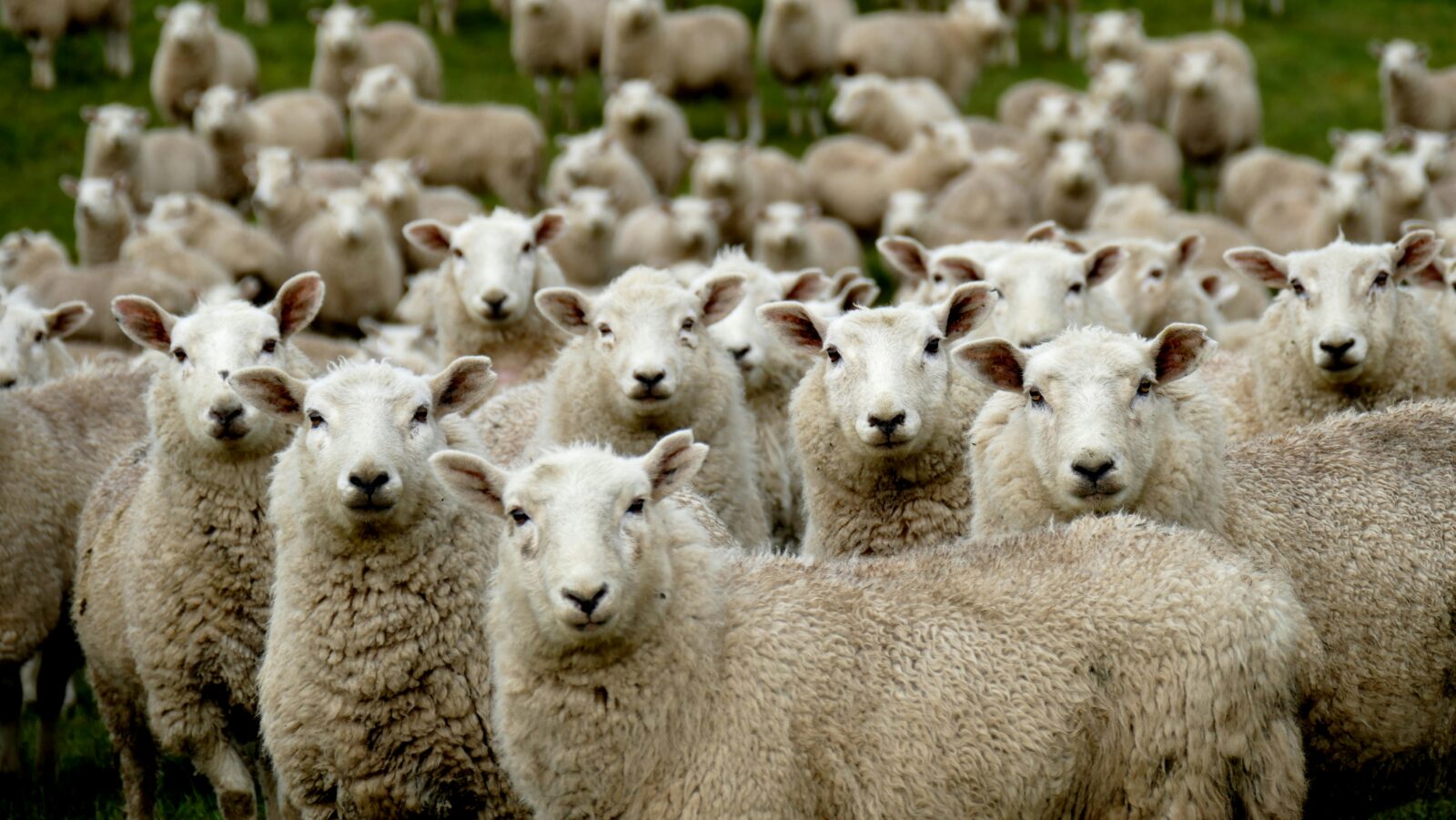
Human beings have always been susceptible to herd mentality. We want to belong and constantly seek the approval of others. We take comfort in knowing that our values are shared. The digital ecosystem didn’t create those human tendencies, but it has created an extraordinary environment in which they can flourish.
None of us, however much we pride ourselves on being independent thinkers, is immune. Ironically, that includes me, a former journalist now deliberately asking a machine to challenge my thinking. I’m well aware that AI has its own biases and limitations. I don’t expect it to tell me what to believe any more than I expect a journalist to. But I do expect—and want—to be challenged.
Perhaps instead of wringing our hands over whether artificial intelligence will rob us of our ability to think for ourselves, we should be taking a long, hard look at how we’ve been exercising that ability in the digital ecosystem for years.
When was the last time we seriously questioned a conviction we held, particularly one shared by everyone around us?
When was the last time we changed our minds?